
August 14, 2026
Patient Acquisition for Medical Tourism
Explore effective patient acquisition strategies for medical tourism in Spain, focusing on language, logistics, quote follow-up, and trust-building.
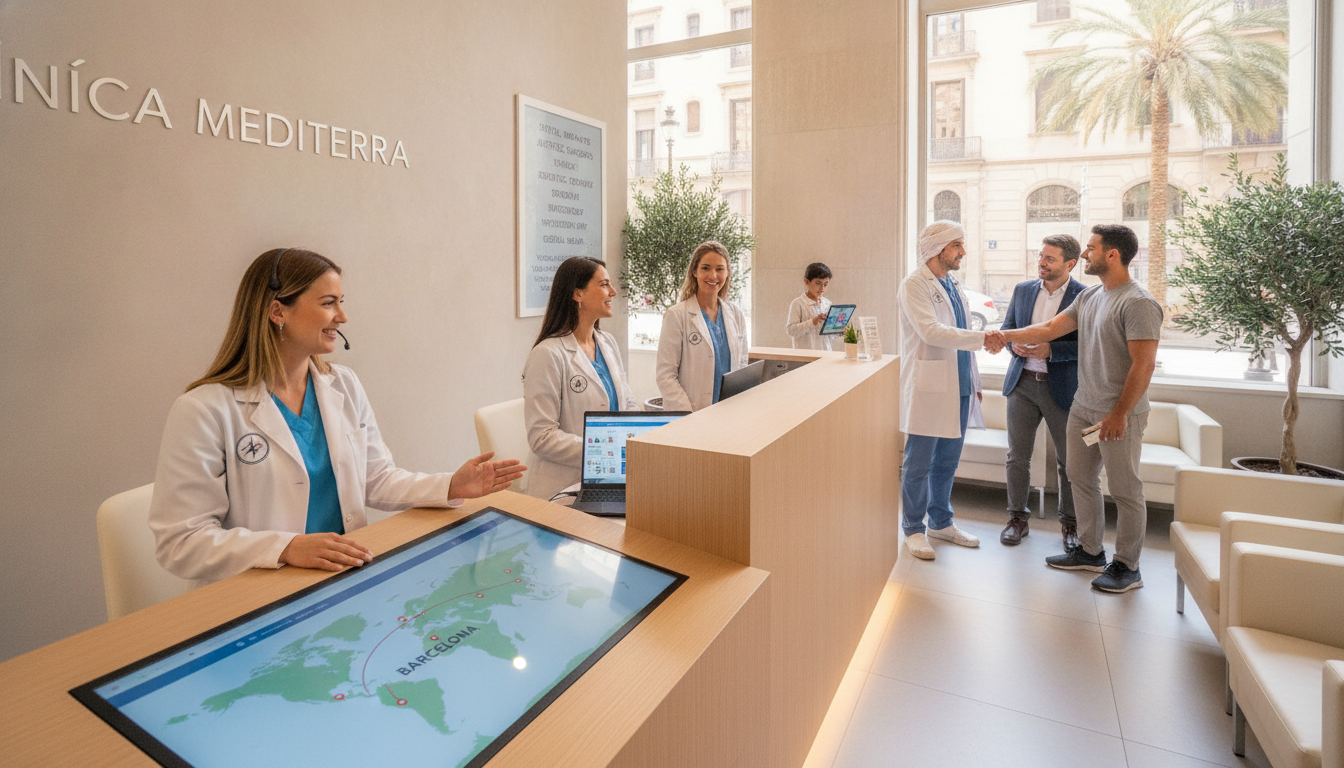
Expanding your clinic's reach to international patients requires a targeted patient acquisition strategy. With Spain's appeal for medical tourism, private clinics need to cater to the unique needs of patients traveling from abroad. Addressing language barriers, managing logistics, and building trust are critical for successful patient acquisition when the patient has never walked past your door.
Understanding the Medical Tourist Profile
To effectively attract medical tourists, clinics must first understand who they are. Key demographics often include individuals from countries with high medical costs or long wait times for treatments. These patients are typically well-informed about their options and are seeking high-quality care at a competitive price.
Spain is chosen by many for its excellent healthcare services combined with the allure of its cultural richness and favorable climate. Patients are often motivated by the opportunity to recover in a beautiful environment, which can be an essential factor in their decision-making process.
Common concerns for these patients include the quality of care, the reputation of the clinic, and the ability to communicate effectively with the medical staff. Understanding these expectations allows clinics to tailor their services and marketing efforts to better meet the needs of international patients.
Crafting Multilingual Communication
Effective communication is paramount in patient acquisition, especially when dealing with international clients. Clinics should develop multilingual communication strategies to ensure clarity and confidence in all interactions. This includes offering materials and consultations in the patient's native language whenever possible.
To overcome language barriers, clinics can employ professional translation services. These services should be integrated into both written and verbal communication channels to maintain consistency and avoid misunderstandings. Using native speakers for translation can further enhance the patient experience.
Implementing multilingual customer service channels is also crucial. Patients should be able to reach out with questions or concerns and receive prompt responses in their own language. This can be facilitated through dedicated phone lines, email support, and chat services.
Comparison of Multilingual Communication Tools
| Tool Name | Language Support | Cost | Integration Features |
|---|---|---|---|
| LinguaFlex | 50+ languages | Moderate | CRM integration |
| TransLingual | 30 languages | Low | Email support |
| GlobalSpeak | 60+ languages | High | Full system integration |
Managing Logistics and Scheduling
Managing logistics is a significant aspect of catering to medical tourists. Clinics should coordinate travel and accommodation for international patients, ensuring a seamless experience from arrival to departure. This can involve partnerships with local hotels and transportation services.
Aligning treatment schedules with patient travel plans is essential. This requires flexibility and communication between the clinic and the patient to accommodate any changes in travel arrangements or treatment needs. Providing detailed itineraries can help patients understand what to expect and when.
Local support is invaluable for international patients. Clinics can offer services such as airport pickups, city tours, and cultural guides to enhance the patient's experience. This support not only eases logistical challenges but also builds a positive relationship with the patient.
Building Trust with International Patients
Building trust is crucial when patients are considering traveling for medical care. Clinics should prominently display their credentials and accreditations on their website and in communications. This transparency helps reassure patients about the quality of care they will receive.
Patient testimonials and success stories are powerful tools for building trust. They provide prospective patients with insights into the experiences of others who have received care at the clinic. These stories should highlight the quality of care and positive outcomes without making any promises about specific results.
Virtual consultations are an excellent way to build rapport with international patients before they commit to traveling. These consultations allow patients to meet the medical team, discuss treatment options, and address any concerns in a convenient and personal manner.
Providing virtual consultations can significantly enhance patient trust and increase the likelihood of conversion.
Optimizing Quote Conversion
Converting treatment quotes into booked appointments requires a strategic follow-up protocol. Clinics should implement a system to track patient interactions and ensure timely follow-ups. This helps keep the clinic top-of-mind for patients considering their options.
CRM tools are invaluable for managing these interactions. They provide a centralized platform to monitor communications, schedule follow-ups, and personalize patient outreach. This personalization can address specific patient concerns, increasing the likelihood of conversion.
Using personalized communication is key. Addressing patients by name, referencing previous conversations, and tailoring information to their specific needs can make a significant difference in how they perceive the clinic and their decision to proceed with treatment.
Reactivating Dormant International Patients
Reactivating past patients is a cost-effective way to increase patient numbers. Clinics can develop strategies to re-engage these individuals, reminding them of the positive experiences they previously had and encouraging further treatments.
Offering incentives for follow-up treatments or referrals can motivate past patients to return. These incentives might include discounted rates, priority scheduling, or complimentary services, which add value and encourage repeat business.
Maintaining regular contact through newsletters and updates keeps the clinic in the patient's mind. These communications should provide valuable information, such as new treatments or clinic improvements, and offer personalized messages to strengthen the patient-clinic relationship.
For more insights on optimizing patient acquisition strategies, consider exploring the resources available at Delta Fuji.
Want to fill your clinic calendar?
Request a free patient-acquisition assessment and we will show you where you are losing patients and what to improve over the next 30 days.