
August 16, 2026
Culturally Adapting Weight Loss Clinic
Explore cultural adaptation strategies for marketing Spanish weight loss clinics to international patients, enhancing trust and patient retention.
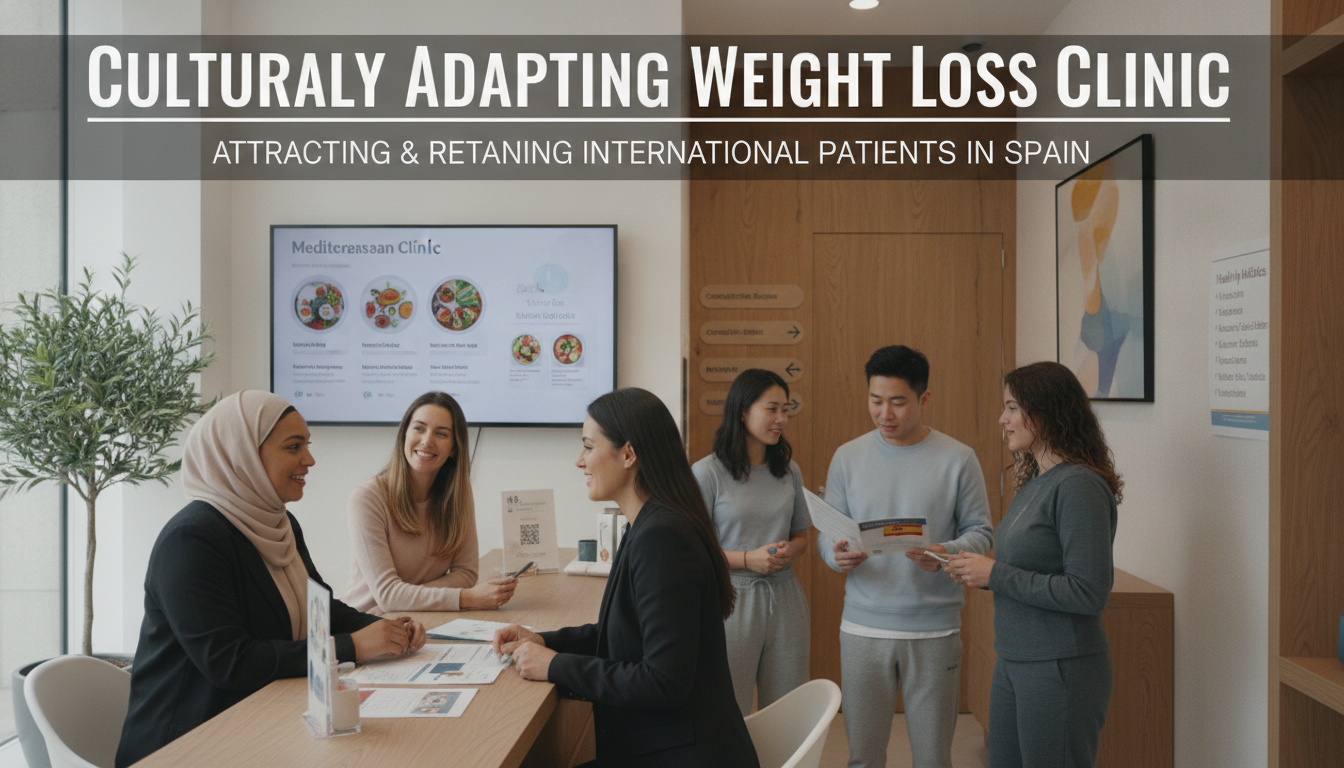
Understanding Cultural Differences in Weight Loss Goals
When marketing a weight loss clinic to an international audience, understanding cultural differences in weight loss goals is crucial. Different cultures have varying perceptions of ideal body weight and health. For example, some cultures prioritize a more muscular physique, while others may focus on slenderness. Recognizing these differences allows clinics to tailor their messaging to address specific desires and expectations.
Cultural attitudes toward body image can greatly influence a patient's decision to pursue weight loss treatments. In some cultures, body positivity and self-acceptance are emphasized, which may affect how weight loss services are perceived. A clinic that understands these nuances can present its services in a way that aligns with cultural values, ensuring that the message resonates with potential patients.
Additionally, perceptions of weight loss treatments themselves vary. For instance, invasive procedures might be more accepted in some cultures than others, where natural or holistic approaches are preferred. By identifying these preferences, clinics can adapt their offerings and marketing strategies to align with cultural expectations, improving patient acquisition and satisfaction.
Adapting Messaging for Multicultural Audiences
Crafting culturally sensitive marketing messages is key to attracting a diverse patient base. This involves not only translating content but also adapting the messaging to reflect cultural nuances. For instance, emphasizing community and family in campaigns might resonate more with certain cultural groups than individualistic approaches.
Utilizing multilingual content is essential for reaching a broad audience. Offering information in the native languages of potential patients can significantly increase engagement. This includes having multilingual websites, brochures, and customer service representatives who can communicate effectively with patients from various backgrounds.
Incorporating culturally relevant visuals and symbols in marketing materials can further enhance the connection with potential patients. Using imagery that reflects the diversity of the audience demonstrates inclusivity and understanding, making the clinic more approachable and relatable to international patients.
Leveraging Social Proof Across Cultures
Testimonials and success stories can be powerful tools in marketing, especially when they resonate with a multicultural audience. Showcasing diverse testimonials from patients of various cultural backgrounds helps build trust and credibility. These stories can serve as relatable examples for potential patients, illustrating the clinic's ability to cater to a wide range of needs and expectations.
Highlighting multicultural success stories is another effective strategy. By featuring stories of patients from different cultural backgrounds who have achieved their weight loss goals, clinics can demonstrate their expertise in handling diverse cases. This approach not only validates the clinic’s services but also reinforces its commitment to cultural competence.
Endorsements from international figures or well-known personalities can also enhance the clinic's reputation. These endorsements can act as a seal of approval, providing reassurance to potential patients about the quality and reliability of the clinic's services.
Culturally Sensitive Patient Communication
Effective communication is a cornerstone of successful patient interactions, especially in a multicultural context. Training staff in cross-cultural communication ensures that they can interact with patients respectfully and effectively. This training should cover language skills, cultural etiquette, and understanding non-verbal cues that might differ across cultures.
Developing protocols for multilingual patient interactions is essential. Clinics should have systems in place to handle inquiries in various languages, ensuring that language barriers do not impede patient acquisition or retention. This might include hiring multilingual staff or using professional translation services for consultations and follow-ups.
Cultural sensitivity during consultations and follow-ups is critical. Staff should be aware of cultural norms and practices that might affect how patients perceive medical advice or treatment options. By showing respect and understanding, clinics can foster a more welcoming environment, leading to better patient experiences and outcomes.
Building Trust Through Cultural Competence
Cultural competence plays a significant role in building trust with international patients. Understanding and respecting cultural differences can help clinics establish a strong rapport with patients, leading to increased loyalty and recommendation rates. Patients are more likely to trust clinics that demonstrate an awareness and appreciation of their cultural backgrounds.
Developing trust-building strategies specific to international patients involves acknowledging and addressing their unique concerns. This could mean offering flexible scheduling to accommodate different time zones or providing detailed explanations of procedures to alleviate any fears or misconceptions about weight loss treatments.
Implementing feedback systems to improve cultural competence is also beneficial. Regularly soliciting feedback from international patients can provide valuable insights into how well the clinic is meeting their needs and expectations. This feedback can be used to make necessary adjustments, ensuring that the clinic remains responsive and culturally sensitive.
Takeaway: Cultural competence is not just about language—it's about understanding and respecting cultural differences to build trust and enhance patient experiences.
Logistics of International Patient Engagement
Streamlining travel arrangements for international patients is essential for clinics aiming to attract a global clientele. This could involve coordinating with travel agencies to offer package deals or providing detailed guidance on travel logistics, including visa requirements and accommodation options near the clinic.
Collaborating with local cultural organizations can enhance patient support. These organizations can offer cultural orientation sessions or community resources that help international patients feel more at ease during their stay. Such partnerships can also provide additional assurance to patients and their families, reinforcing the clinic's commitment to their well-being.
Developing follow-up protocols that consider time zone differences ensures that international patients remain engaged and informed throughout their treatment journey. This might involve scheduling follow-up calls or virtual consultations at times convenient for the patient, ensuring that their progress is monitored and any concerns are promptly addressed.
Comparison of Cultural Adaptation Strategies
| Strategy Type | Implementation Complexity | Potential Impact | Cost Consideration |
|---|---|---|---|
| Multilingual Content | Medium | High | Moderate |
| Cultural Competence Training | High | High | Significant |
| International Endorsements | Low | Medium | Variable |
| Local Partnerships | Medium | High | Moderate |
| Logistical Coordination | High | High | Significant |
For more detailed guidance on patient acquisition strategies, visit Delta Fuji.
Want to fill your clinic calendar?
Request a free patient-acquisition assessment and we will show you where you are losing patients and what to improve over the next 30 days.