
August 8, 2026
Mastering Patient Retention in Dental Implant Tourism: A Guide for Spanish Clinics
Discover retention strategies for Spanish clinics to keep international dental implant patients engaged post-treatment, boosting loyalty and revenue.
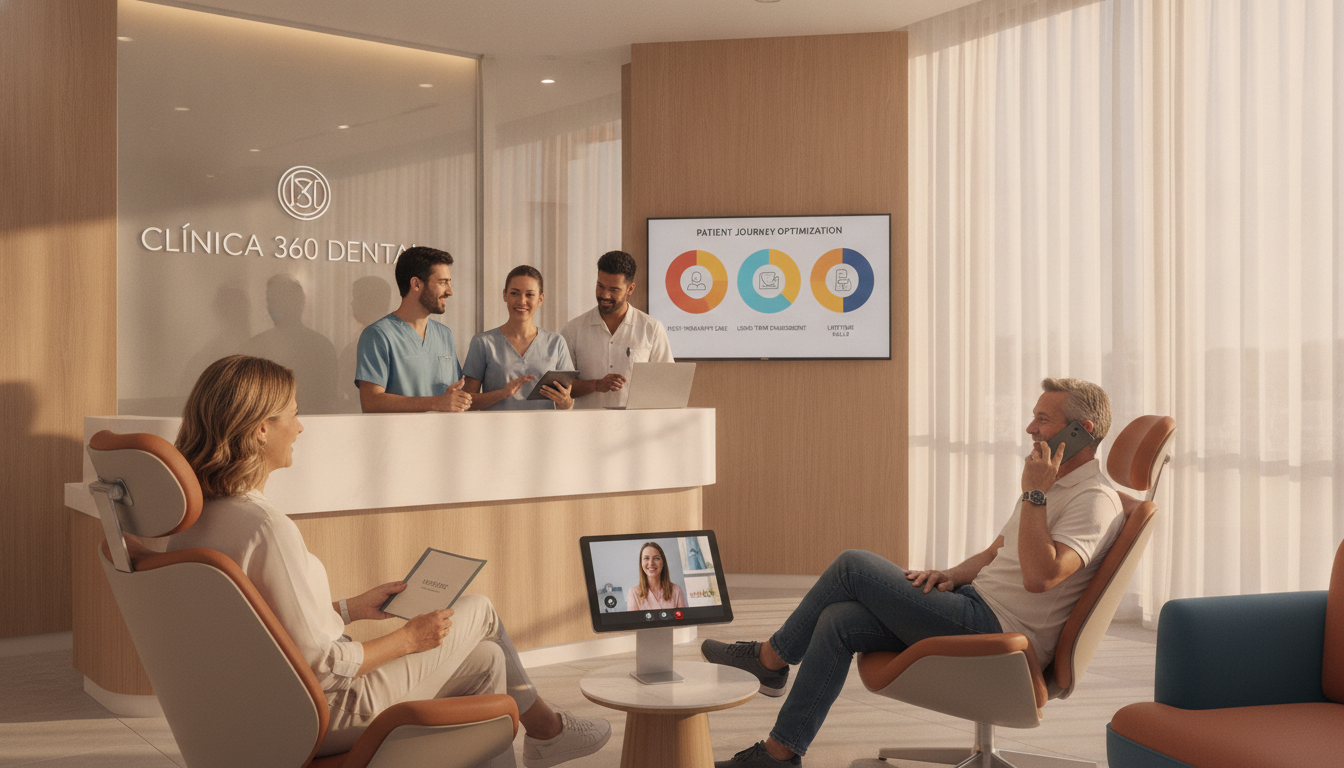
Dental implant clinics in Spain, particularly those catering to international patients, face unique challenges in retaining patients post-treatment. Unlike local patients, dental tourists often require extended follow-up care and consistent communication to ensure satisfaction and loyalty. Effective patient retention strategies are crucial to maximizing patient lifetime value and fostering long-term relationships with these individuals.
Understanding the Unique Retention Needs of Dental Tourists
Dental implants typically require longer post-treatment periods, during which international patients cannot easily return to the clinic. This necessitates robust follow-up protocols that ensure patients feel supported even from a distance. By recognizing this extended timeline, clinics can better manage patient expectations and provide a smoother experience.
Trust and communication are critical in the post-procedure phase. Patients who have traveled for treatment need reassurance that their care will continue seamlessly. For instance, maintaining regular contact through personalized updates and check-ins can significantly enhance trust and patient satisfaction.
Logistics for follow-up care are more complex for international patients. Clinics must be proactive in planning these logistics, considering time zone differences and potential language barriers. Offering multilingual support and flexible scheduling options can greatly assist in overcoming these hurdles.
Developing a Comprehensive Follow-Up Protocol
A structured timeline for post-procedure communication is vital. Clinics should establish a series of touchpoints—immediate post-treatment follow-ups, monthly check-ins, and annual reviews—to keep patients engaged. Such a timeline not only reassures patients but also allows clinics to monitor recovery and address any issues promptly.
- Immediate post-treatment follow-ups
- Monthly check-ins
- Annual reviews
Using multiple channels to stay connected enhances accessibility and convenience for patients. Email, messaging apps, and phone calls can cater to different preferences and ensure that patients have a reliable line of communication with the clinic. For example, a quick WhatsApp message might be more effective for some patients than a formal email.
Providing detailed aftercare instructions tailored for remote patients is essential. These instructions should be clear, comprehensive, and available in multiple languages to accommodate international patients. Including visual aids or video demonstrations can further enhance understanding and compliance.
Building Long-Term Relationships with International Patients
Personalized communication is key to fostering loyalty among international patients. Clinics can leverage CRM systems to track patient preferences and interactions, allowing for more tailored communication. Personalized emails or messages that address the patient by name and reference previous interactions can make a significant difference.
Offering incentives for referrals and return visits can also strengthen relationships. For instance, a discount on future treatments or a referral bonus for bringing in new patients can encourage repeat business. These incentives not only boost patient retention but also expand the clinic’s reach through word-of-mouth.
Patient feedback is invaluable for improving services and satisfaction. Clinics should actively seek and act on feedback to demonstrate that they value patient input. This can be done through surveys or feedback forms sent post-treatment, and any constructive criticism should be addressed promptly.
Leveraging Technology for Effective Patient Engagement
Telemedicine offers a practical solution for virtual check-ups and consultations, bridging the gap for patients who cannot physically return to the clinic. By implementing telemedicine, clinics can provide real-time support and follow-up care, enhancing patient satisfaction and retention.
CRM systems are invaluable for tracking patient interactions and follow-ups. These systems can automate reminders for appointments and aftercare, ensuring that patients never miss crucial check-ins. By keeping detailed records, clinics can personalize communication and better meet patient needs.
Automating reminders for post-treatment care and appointments helps maintain patient engagement. Automated systems can send timely reminders via email or SMS, reducing the likelihood of missed appointments and ensuring that patients adhere to their aftercare plans.
Maximizing Patient Lifetime Value Through Strategic Engagement
Identifying opportunities for additional treatments and services can significantly increase patient lifetime value. Clinics should assess patient needs and offer relevant services, such as cosmetic enhancements or regular dental check-ups, that complement the initial treatment.
Comparison of Retention Strategies: Pre-Treatment vs. Post-Treatment
| Strategy | Implementation Time | Patient Impact | Cost |
|---|---|---|---|
| Pre-Treatment Communication | 1-2 weeks | Builds trust | Low |
| Post-Treatment Follow-Up | Ongoing | Ensures satisfaction | Medium |
| Loyalty Programs | 3-6 months | Encourages repeat visits | High |
Creating informative content about dental health maintenance can engage patients between visits. Clinics should develop educational resources, such as blogs or newsletters, that offer valuable insights into dental care. This not only keeps patients informed but also positions the clinic as a trusted authority.
Developing loyalty programs that encourage repeat visits is another effective strategy. These programs can include discounts, exclusive offers, or a points-based system that rewards patients for continued engagement with the clinic.
Navigating Legal and Ethical Considerations
Understanding cross-border healthcare regulations is crucial for clinics treating international patients. Clinics must stay informed about the legalities of providing medical services to international clients to ensure compliance and avoid potential legal issues.
Ensuring compliance with data protection laws is essential, particularly when handling international patient data. Clinics must adhere to regulations such as the General Data Protection Regulation (GDPR) to protect patient privacy and maintain trust.
Transparent communication about treatment and costs builds trust and reduces misunderstandings.
Maintaining transparent communication about treatment and costs is vital. Patients should be fully informed of what to expect, including any potential additional costs, to prevent misunderstandings and foster trust. Clear communication helps set realistic expectations and enhances patient satisfaction.
For more insights and assistance with patient acquisition strategies, visit Delta Fuji.
Want to fill your clinic calendar?
Request a free patient-acquisition assessment and we will show you where you are losing patients and what to improve over the next 30 days.