
August 2, 2026
How to Effectively Market Your Clinic to International Patients in Spain
Explore targeted marketing strategies for clinics in Spain to attract and convert international patients seeking medical or dental services.
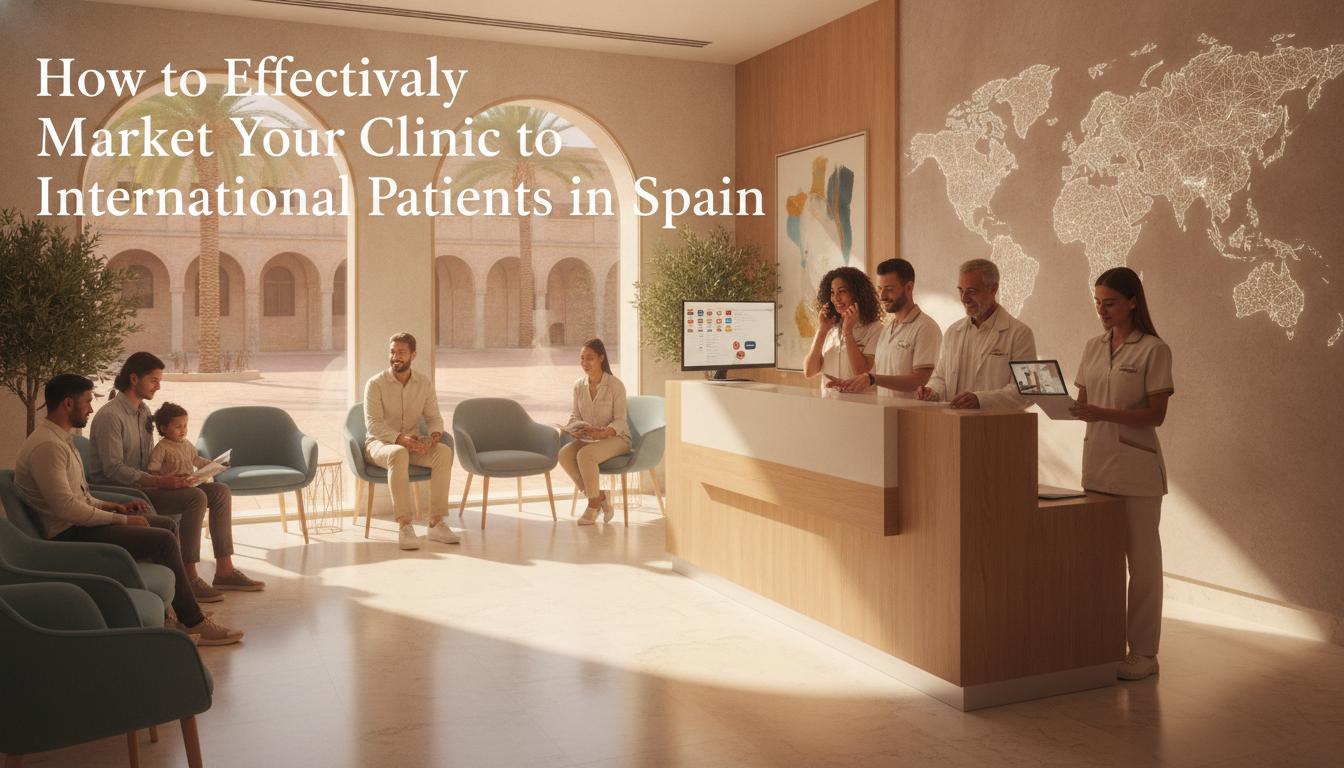
Marketing your clinic to international patients in Spain requires a strategic approach that addresses unique challenges and opportunities. As clinics compete for the attention of expats and medical tourists, understanding the nuances of patient acquisition becomes vital. From handling inquiries across time zones to building trust with patients who have never set foot in your facility, optimizing your marketing strategies is crucial for success.
Understanding the Needs of International Patients
International patients often face several concerns when choosing a clinic abroad, such as language barriers, trust issues, and logistical challenges. For example, a patient from Germany considering dental treatment in Spain may worry about communicating effectively with clinic staff. Addressing these concerns proactively can help clinics establish a strong foundation for patient relationships.
Decision and booking cycles for international patients tend to be longer compared to local patients. Studies indicate that the average decision-making cycle for international patients is between 3-6 months. This extended period underscores the importance of maintaining consistent communication and providing reassurance throughout the process.
Clear communication is crucial in alleviating the apprehensions of international patients. Clinics should ensure that all interactions are transparent and informative, providing detailed explanations of procedures, pricing, and post-treatment care. This not only builds trust but also sets realistic expectations.
Crafting Tailored Marketing Campaigns
To effectively reach a diverse international audience, clinics should use multilingual content across their marketing channels. This approach can significantly increase patient inquiries, as shown by a case study from Spanish clinics where multilingual support resulted in a 50% increase in inquiries. By providing content in multiple languages, clinics can appeal to a broader demographic.
Leveraging local SEO is another powerful tactic for attracting international patients. By optimizing online presence for location-based searches, clinics can capture interest from patients searching for medical services in Spain. This involves using location-specific keywords and ensuring that the clinic's contact information and services are easily accessible online.
Clinics should also highlight their unique value propositions in marketing campaigns. Whether it's specialized expertise in a particular treatment or a state-of-the-art facility, emphasizing these aspects can differentiate a clinic from competitors. For instance, a dermatology clinic might focus on its advanced laser treatment technologies to attract patients seeking cutting-edge solutions.
Managing Time Zone Differences in Patient Engagement
Handling inquiries from different time zones is a common challenge for clinics marketing to international patients. Implementing a 24/7 inquiry management system with multilingual support ensures that potential patients receive timely responses, regardless of their location. This immediate engagement is critical in maintaining interest and building trust.
Automated scheduling tools that adjust for time zones can streamline the booking process. By allowing patients to view available appointment slots in their local time, clinics can reduce scheduling conflicts and improve patient satisfaction. Such tools also minimize the back-and-forth communication typically required to arrange appointments.
Prompt follow-up is essential to keep prospective patients engaged. Clinics should establish a system for immediate acknowledgment of inquiries, followed by a personalized response. This approach not only demonstrates professionalism but also reassures patients that their needs are being prioritized.
Building Trust and Transparency
Trust is a decisive factor for international patients, with 70% citing it as key when choosing a clinic, according to industry surveys. Showcasing patient testimonials and success stories, especially those relevant to international patients, can significantly enhance a clinic's credibility. Featuring stories from patients who have traveled for similar treatments can resonate deeply with prospective clients.
Providing transparent treatment and pricing information is another critical component of building trust. Patients appreciate knowing exactly what to expect in terms of costs and procedures. Detailed breakdowns of treatment plans, including potential additional costs, can prevent misunderstandings and enhance patient confidence.
Affiliations with reputable international medical bodies can further bolster a clinic's reputation. Highlighting these connections in marketing materials assures patients of the clinic's commitment to maintaining high standards of care. For example, a clinic affiliated with the International Society of Aesthetic Plastic Surgery can attract patients seeking assurance of quality.
Handling Logistics and Patient Experience
Assisting international patients with travel and accommodation planning is an added value that can differentiate a clinic. Offering resources or partnerships with travel agencies can ease the logistical burden on patients, making the treatment journey smoother and more appealing.
Virtual consultations are invaluable for assessing patient needs before they travel. These sessions allow clinicians to understand patient expectations and provide preliminary advice, reducing the uncertainty that often accompanies international medical travel. They also serve as an initial point of contact, building rapport before a patient arrives.
Developing partnerships with local tourism services can enhance the patient experience, offering them a comprehensive package that includes both medical treatment and leisure activities. Such partnerships not only improve patient satisfaction but also promote longer stays and potential repeat visits.
Converting Inquiries into Booked Treatments
Converting inquiries into booked treatments requires a strategic follow-up process. Clinics should establish a structured system for managing quotes and inquiries, ensuring that each potential patient receives personalized attention. This approach increases the likelihood of converting leads into bookings.
CRM systems play a vital role in tracking patient interactions and preferences. By maintaining detailed records, clinics can tailor their communication strategies to meet individual patient needs. This personalization can significantly enhance conversion rates by aligning the clinic's offerings with patient expectations.
Persuasive communication strategies are essential in encouraging patients to move forward with treatment plans. Highlighting the benefits of timely treatment, such as improved health outcomes or cost savings, can motivate patients to make a decision. Additionally, providing reassurance about the quality and safety of the clinic's services can alleviate concerns and foster trust.
Reactivating Dormant International Patients
Reactivating dormant patients requires personalized reactivation campaigns that consider the patient's treatment history and preferences. By sending tailored communications, clinics can remind patients of the benefits of completing their treatment plans or encourage them to return for follow-up care.
Offering incentives for repeat visits or referrals can also be effective in re-engaging past patients. Discounts on future treatments or referral bonuses can motivate patients to return and bring new business to the clinic.
Gathering patient feedback is crucial for refining marketing and service offerings. By understanding what worked well and what could be improved, clinics can enhance their strategies to better meet the needs of international patients. This iterative process ensures that marketing efforts remain relevant and effective.
Multilingual support increases patient inquiries by 50%, demonstrating the value of catering to diverse patient demographics.
Comparison of Patient Inquiry Channels
| Channel | Response Time | Conversion Rate | Patient Satisfaction |
|---|---|---|---|
| 24 hours | 15% | High | |
| Phone | Immediate | 25% | Medium |
| Online Chat | Instant | 30% | Very High |
For more information on enhancing patient acquisition strategies, visit Delta Fuji.
Want to fill your clinic calendar?
Request a free patient-acquisition assessment and we will show you where you are losing patients and what to improve over the next 30 days.