
August 4, 2026
Building Trust with Patients Who Travel: A Guide for Spanish Clinics
Discover strategies for building trust with international patients in Spanish clinics through effective communication, cultural understanding, and logistics.
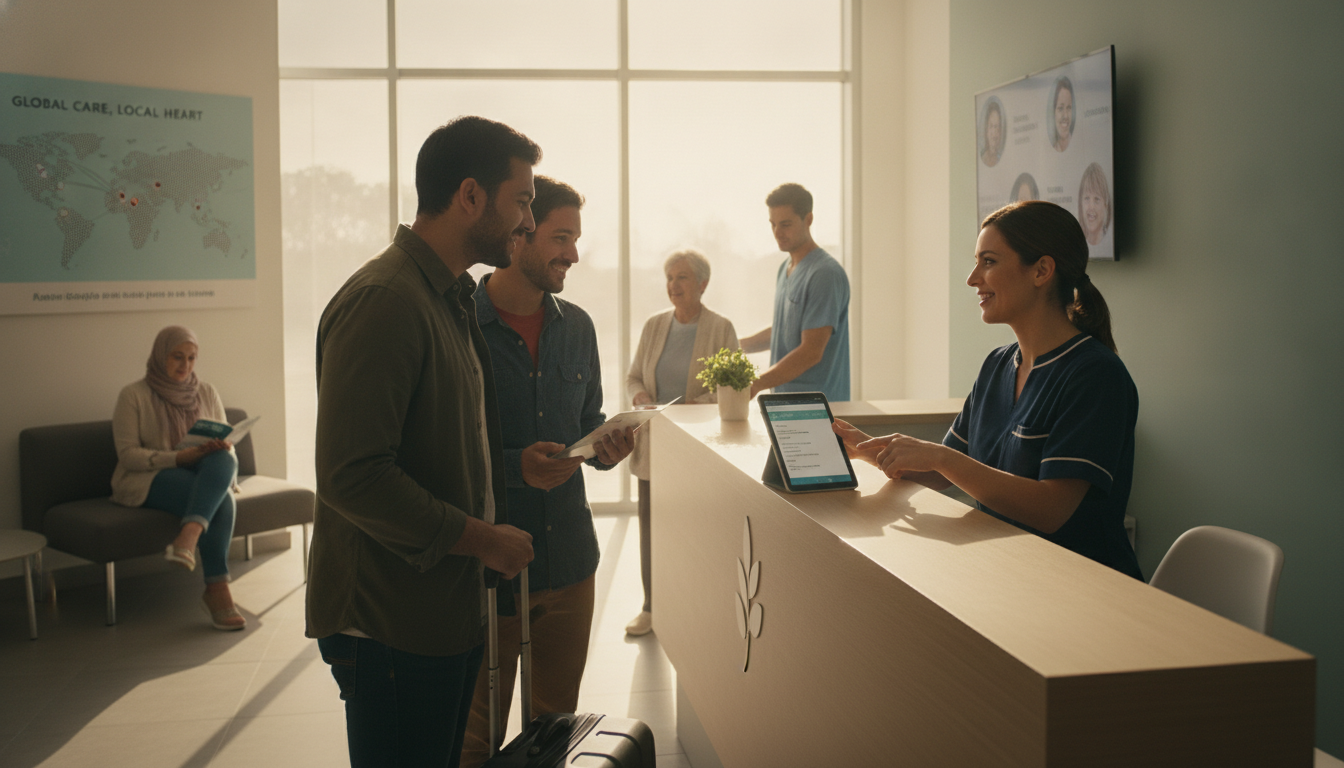
For Spanish clinics aiming to attract international patients, building trust is paramount. These patients often face unique challenges, such as navigating language barriers and understanding unfamiliar healthcare systems. Successfully addressing these concerns not only enhances patient confidence but also helps clinics stand out in a competitive market.
Understanding the Unique Needs of Traveling Patients
International patients often have concerns that local patients might not share. Language barriers can make communication difficult, while unfamiliar healthcare systems can cause anxiety about the quality and nature of care. Furthermore, the logistics of traveling for medical treatment, such as accommodation and transportation, add layers of complexity. Spanish clinics, especially those in popular tourist areas, can benefit from directly addressing these concerns to build trust.
Addressing these concerns starts with understanding them. Clinics should conduct surveys or interviews with international patients to gather insights into their specific needs. For instance, a clinic might discover that patients are worried about post-treatment care once they return home. By actively seeking out and responding to these concerns, clinics can differentiate themselves as patient-centric and trustworthy.
To effectively address these needs, clinics can implement a range of strategies. For example, offering pre-arrival consultations via video calls can help patients feel more comfortable before traveling. Clinics can also provide detailed guides about the local healthcare environment and what to expect during their visit. By proactively communicating these details, clinics can help ease patient anxiety and foster trust.
Effective Cross-Cultural Communication Strategies
Communication is a cornerstone of trust, especially for international patients. Multilingual staff or professional translation services can bridge language gaps, ensuring that patients understand their treatment options and care instructions. This not only reduces misunderstandings but also demonstrates a clinic's commitment to accommodating diverse needs.
Cultural sensitivity training is another vital component. By training staff to understand cultural norms and preferences, clinics can significantly enhance patient interactions. For example, understanding different cultural attitudes towards time and punctuality can improve appointment scheduling and patient satisfaction. Clinics that invest in such training often report higher patient satisfaction rates and improved trust.
Successful clinics often share their strategies. One notable example is a dental clinic in Barcelona that employs multilingual staff and offers cultural sensitivity workshops. This approach has not only improved patient satisfaction but also attracted a broader range of international clients, demonstrating the tangible benefits of investing in effective communication.
Logistical Support to Enhance Patient Experience
Providing seamless logistical support is crucial in building trust with international patients. From booking appointments to coordinating travel arrangements, every interaction should reflect the clinic’s professionalism. Clinics that streamline these processes can significantly enhance the overall patient experience, making it easier for patients to focus on their health needs.
Assistance with accommodation and transportation can be a game-changer. Offering packages that include airport transfers, hotel bookings, or even local tour recommendations can simplify the travel process for patients. For instance, a clinic in Madrid partners with local hotels to offer special rates to their patients, making the journey less stressful and more predictable.
Implementing logistical support services can be straightforward. Clinics can start by establishing partnerships with local service providers. Additionally, having a dedicated patient coordinator to handle travel logistics can make a significant difference. This personalized touch not only enhances patient satisfaction but also reinforces the clinic’s commitment to comprehensive care.
Building an Online Presence That Instills Confidence
An informative, multilingual website is a powerful tool in attracting and reassuring international patients. A well-designed site should provide clear information about services, staff credentials, and treatment processes. Including patient testimonials and case studies can further build credibility, showcasing real-world examples of successful treatments.
Transparent pricing is another critical element. Patients traveling for medical treatment need to understand the financial implications upfront. Clearly displaying pricing information and potential additional costs helps manage expectations and reduces anxiety. A clinic based in Valencia effectively uses its website to provide detailed cost estimates, which has increased patient inquiries and trust.
Building an online presence that instills confidence also involves active engagement. Clinics should regularly update their websites with new content, such as blog posts about recent medical advancements or patient success stories. This not only helps in SEO but also keeps the clinic relevant and trustworthy in the eyes of potential patients.
Follow-Up and Continued Engagement with International Patients
The relationship with international patients shouldn’t end after treatment. Follow-up communication plays a crucial role in maintaining trust and encouraging repeat visits or referrals. Personalized check-ins or newsletters can keep patients engaged and informed about new services or promotions, reinforcing their connection to the clinic.
Techniques such as sending personalized treatment summaries or reminders for future check-ups can significantly impact patient loyalty. For example, a dermatology clinic in Seville uses automated email campaigns to remind patients about follow-up care, resulting in a noticeable increase in patient retention.
Successful follow-up programs often include a mix of digital and personal touches. Clinics can use digital platforms for regular updates while also making personal calls to check on recovery progress. This dual approach ensures that patients feel valued and cared for, fostering long-term trust and loyalty.
Comparison of Trust-Building Strategies for Local vs. International Patients
| Strategy | Impact on Patient Trust | Implementation Challenges |
|---|---|---|
| Multilingual Support | High | Requires hiring or training |
| Cultural Sensitivity | Moderate | Ongoing staff education |
| Transparent Pricing | High | Complex pricing structures |
| Logistical Assistance | Moderate | Partnerships required |
Investing in multilingual staff and cultural sensitivity training can significantly boost patient satisfaction and trust.
For clinics looking to refine their patient acquisition strategies, Delta Fuji offers comprehensive consulting services tailored to the needs of international patients.
Want to fill your clinic calendar?
Request a free patient-acquisition assessment and we will show you where you are losing patients and what to improve over the next 30 days.